Role of steel

Steel production accounts for 8% of global emissions, underscoring the industry's significant impact on our daily lives. Recognizing this, it is essential to contribute to a greener, more sustainable world. By setting ambitious goals, the aim is to ensure a future filled with opportunities for the generations to come.

Elektrolichtbogenofen stahlschmelze

Decarbonization of Steel Production

Introduction: The Path to Climate-Neutral Europe by 2050 

The European Union is committed to becoming climate-neutral by 2050. However, industrial and power plants currently account for 40% of Europe’s greenhouse gas emissions. To meet this target, six or seven hard-to-abate emitters must achieve carbon neutrality every week. Among the highest-emitting sectors is the steel industry, responsible for 8% of global CO2 emissions. The HYDREAMS project is dedicated to helping reduce these emissions by introducing innovative, hydrogen-based technologies for steel production. 

The Challenge: Decarbonizing the Steel Industry 

  • Global Steel Emissions: The steel sector is one of the most challenging to decarbonize, with significant energy consumption contributing to high CO2 emissions. Heating processes in steel production alone accounted for up to 39 billion tons of CO2 globally in 2021. 
  • Steel's Role in Industry: Steel is a critical material with over 2500 varieties, known for its strength, durability, and recyclability. The European steel industry cannot operate without it, and it is the world’s most recycled material, accounting for 45% of total steel production. 
  • Energy Use in Steel: Energy consumption represents around 88% of the CO2 emissions in steel production. To achieve further reductions in emissions, significant process innovations are required. 
Paving the way for a sustainable future

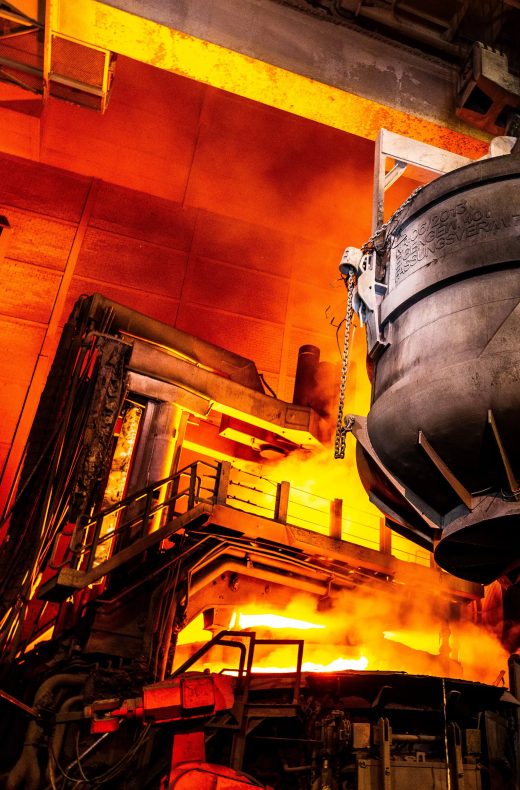
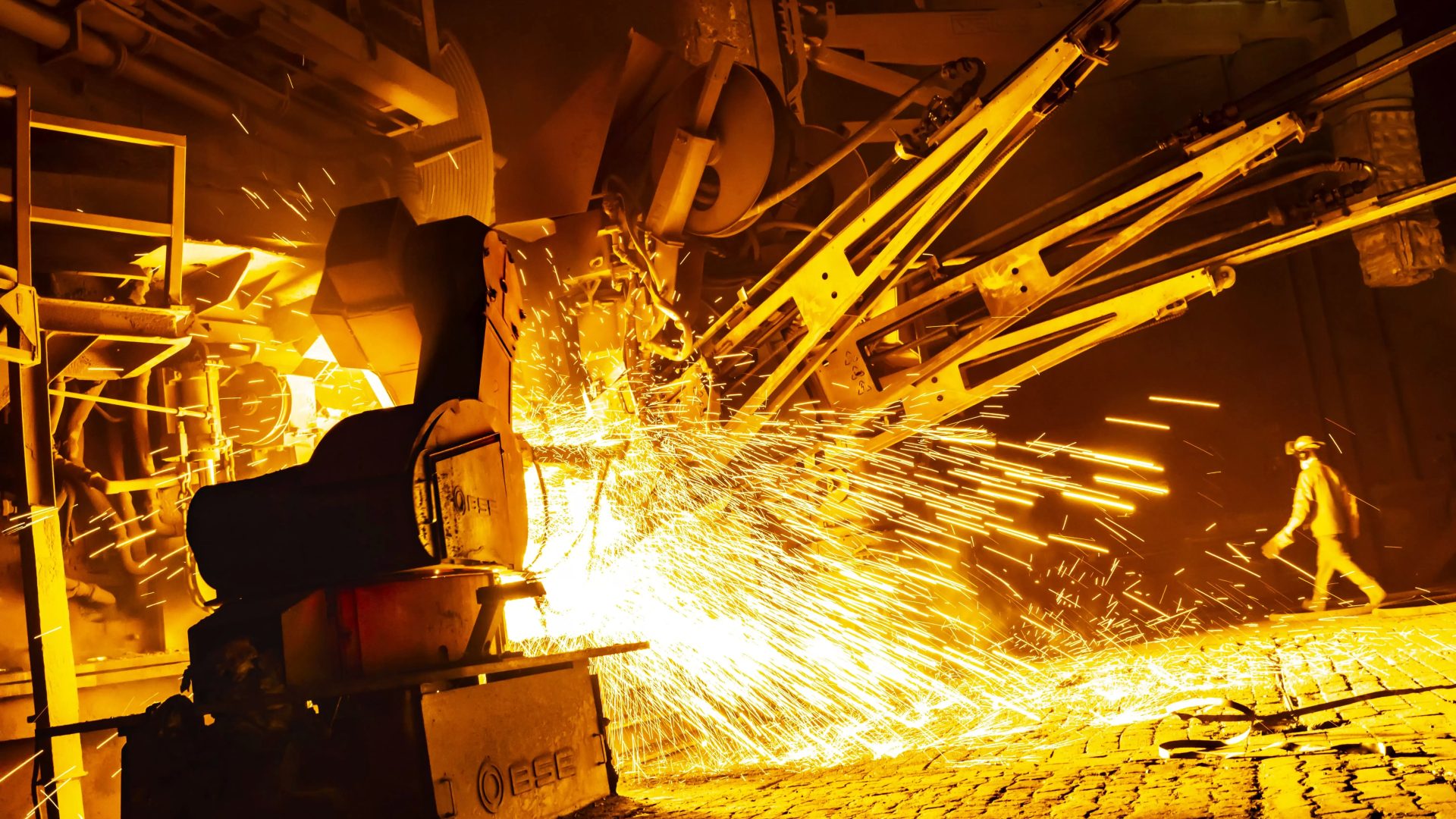
Decarbonization refers to the reduction of carbon dioxide (CO2) emissions in the steelmaking process. At the heart of this transformation is the commitment to reducing carbon emissions while maintaining the strength, quality, and versatility that steel provides. In traditional steelmaking, iron ore is reduced to iron using coke in a blast furnace. The process generates large quantities of CO2, which is one of the main contributors to the high carbon footprint of steel production. While this method has been in use for centuries, it remains one of the most carbon-intensive ways of producing steel. In contrast, Electric Arc Furnaces (EAF) offer a more sustainable method for producing steel. This method primarily uses recycled scrap steel, which is melted using electricity rather than relying on coal or coke. By using renewable energy sources for the electric arc furnaces, steel production can be much less carbon-intensive. EAF technology already results in significantly lower emissions compared to traditional blast furnaces, when powered by renewable energy and the use of low-carbon resources, such as hydrogen, in further steps like heat treatment, it becomes a key player in achieving decarbonization goals for the steel industry.

Wasserstoff molekuel struktur

Green Hydrogen in Steelmaking

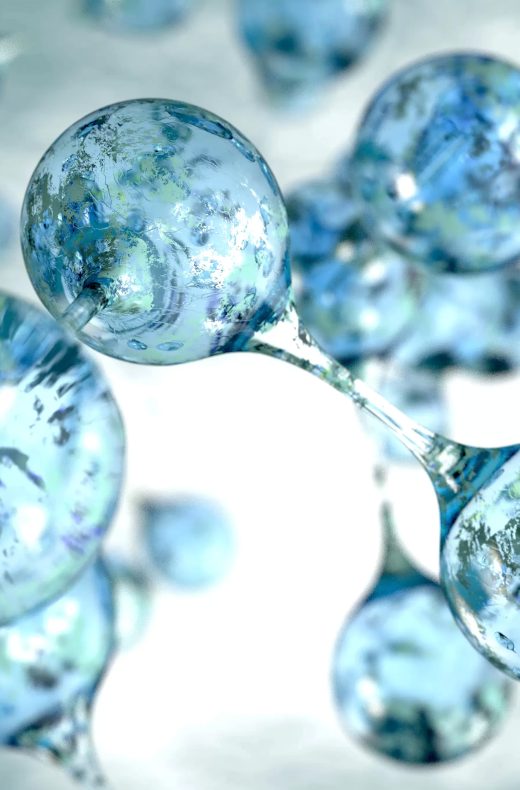
One of the most promising solutions is the use of green hydrogen instead of coke in the reduction process. Green hydrogen, produced through the electrolysis of water using renewable energy, can react with iron ore to produce steel without emitting CO2. Additionally, the use of low-carbon resources, such as hydrogen, in further processing steps further enhances sustainability. These innovative approaches promise to significantly reduce emissions and foster a cleaner production process.

Stahlwerk elektrolichtbogenofen

Electrification of Steel Production

As mentioned above, the electrification of steel production via Electric Arc Furnaces (EAF) is a major opportunity to decarbonize the industry. By switching from fossil-fuel-based methods to electric-powered processes, the steel industry can lower emissions significantly, especially when renewable electricity sources are used. The EAF method not only reduces CO2 emissions but also promotes the efficient use of recycled materials, contributing to a more circular economy.

Industrieller schrott recycling bagger kreislaufwirtschaft

Circular Economy and Recycling

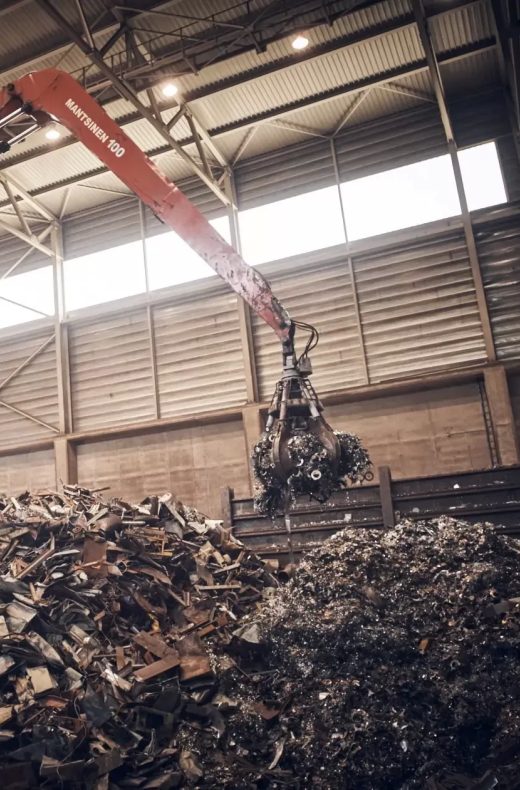
Recycling scrap steel is another key pillar of decarbonization. Steel is one of the most recycled materials globally, and reusing scrap in electric arc furnaces reduces the need for virgin iron ore, which in turn reduces CO2 emissions. Enhancing recycling efficiency and promoting a circular economy is essential to reducing the carbon intensity of steel production.

The role of innovation & collaboration

The decarbonization of steel production requires collaboration across the entire value chain, from raw material suppliers to steelmakers, technology developers, and government bodies. Innovation is critical, and ongoing research into new technologies, materials, and processes will be crucial to achieving the global targets set for carbon reduction.

In addition to adopting cleaner technologies, steelmakers must invest in sustainable practices such as energy efficiency improvements, waste heat recovery, and the integration of renewable energy sources into their operations.

The shift towards sustainable steel production is not just a necessity—it’s an opportunity for innovation, efficiency, and leadership in the global marketplace. By embracing decarbonization, the steel industry can help build a sustainable, resilient, and carbon-neutral future for all.