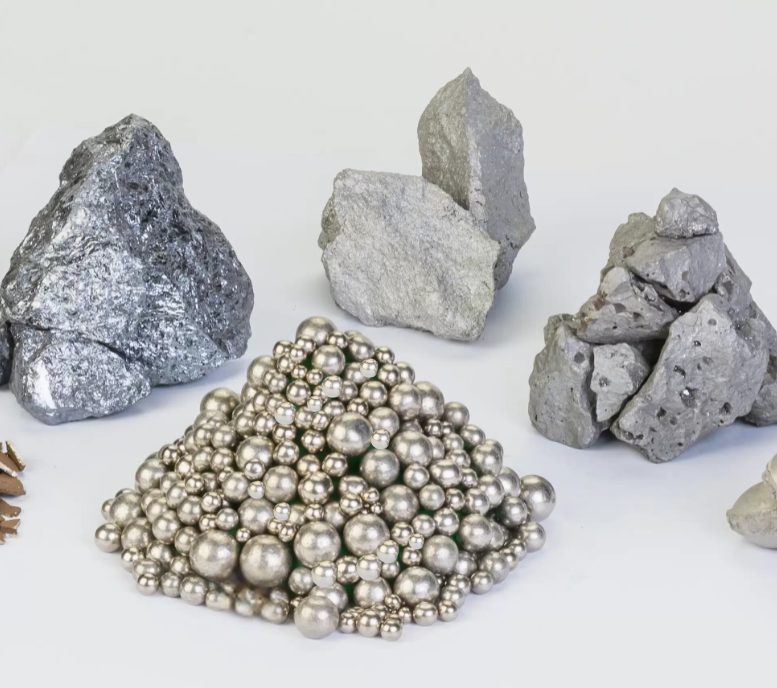
There is hardly any other material where the material properties can be adjusted in as many ways as with steel. One key way of achieving this flexibility is the use of alloying elements. But what exactly are alloys and alloying elements and why are they so important for steel production?
What are alloys and alloying elements?
An alloy is created when a base metal, such as iron, is combined with one or more additional elements to alter the material’s properties. Steel is an alloy of iron and carbon. In addition, alloying elements such as chromium, nickel, or molybdenum can be added to further refine the alloys and adapt them to specific requirements.
Alloying elements are the individual components added to the base material to specifically improve certain properties.
Types of alloys
There are numerous types of alloys that vary depending on the metals used and their specific properties. The most common types include:
Steel Alloys:
Mainly composed of iron and carbon. Carbon is the most important alloying element in steel, increasing its hardness and strength. "Steel" is defined as an alloy of iron and carbon with a carbon content up to 2.06%. Alloys with higher carbon content are no longer considered "steel" but are classified as "cast iron." Stainless steel contains additional chromium and nickel, which provide corrosion resistance and a shiny surface. It is widely used in the construction industry, kitchen utensils, and medical devices.
Copper Alloys:
Brass: An alloy of copper and zinc. Brass is known for its excellent machinability, corrosion resistance, and decorative appearance, making it popular for instruments and decorative items.
Bronze: An alloy of copper and tin, known for its hardness and wear resistance. Bronze is often used for coins, medals, tools, and machinery.
Aluminum Alloys:
Aluminum is often alloyed with metals such as magnesium, copper, or zinc to increase strength and formability, as pure aluminum is relatively soft. Aluminum alloys are widely used in the aerospace and automotive industries due to their light weight and strength.
Nickel Alloys:
Nickel alloys are highly resistant to corrosion and heat. These properties make them ideal for use in extreme environments such as gas turbines, chemical plants, or offshore applications.
Titanium Alloys:
Titanium is lightweight, strong, and corrosion-resistant, making it an ideal material for aerospace applications and medical implants. Its strength is further increased by alloying with aluminum and vanadium.
Alloying elements in steel
The reason for using alloying elements lies in adapting steel to specific requirements. Standard steel is often insufficient to withstand the high demands of certain applications. Here are some examples:
Strength and Toughness: For applications in the construction industry or automotive production, particularly strong yet tough steels are required. Elements such as manganese and nickel enhance these properties, making steel more resistant to breakage or deformation.
Corrosion Protection: In industries where steel is exposed to harsh weather conditions or chemical substances, chromium is often added. This element increases corrosion resistance, making the steel more durable.
Heat Resistance: Applications in heavy industry or mechanical engineering often require steels that remain stable at extremely high temperatures. Elements like molybdenum or tungsten are used here to make steel especially resistant to heat and wear.
Alloying elements and their effects
Here are some of the most significant alloying elements, their specific properties, and how they influence alloys:
Carbon (C): Carbon is the most commonly used alloying element in steel and significantly affects hardness and strength. Higher carbon content leads to increased hardness, which is advantageous in many applications, such as in mechanical engineering. However, the steel also becomes more brittle, so a balanced ratio is essential. In alloys like tool steel, carbon is crucial for edge retention and wear resistance.
Chromium (Cr): This element is known for its ability to increase corrosion resistance and improve the hardenability of alloys. When alloyed with iron, chromium forms a protective oxide layer that shields the steel from rust and wear. From around 13% chromium, steel becomes corrosion-resistant in aqueous media; at 18%, it is resistant enough for use in dishwashers.
Nickel (Ni): Nickel contributes to the toughness and ductility of alloys, making them ideal for use in cold environments. In combination with other alloying elements, nickel improves corrosion resistance and makes steels less brittle. Alloys like NiCrMo steels are widely used in the petrochemical industry, known for their high strength and excellent toughness.
Molybdenum (Mo): Molybdenum is often used in alloys to increase strength at high temperatures. This makes it essential for applications like turbine and pressure vessel manufacturing, where high temperatures and pressure prevail.
Vanadium (V): Vanadium is used in alloys to improve hardness and wear resistance. It acts as a fine alloy that reduces the grain size in steel, thereby improving its mechanical properties. Vanadium is particularly important for cutting tools and high-strength steels, ensuring longer life and better performance.
Manganese (Mn): Manganese is an indispensable element in many steels. In alloys for structural steels, manganese is important for achieving high strength. It also promotes the formation of austenite, leading to better formability.
Silicon (Si): Like manganese, silicon is used for deoxidation in the metallurgical process. It increases strength and is an important alloying element for spring and bearing materials.
Copper (Cu): Copper enhances corrosion resistance and strength in alloys. Copper-containing steels perform better in corrosive environments, but they are more difficult to form and pose higher demands on steel recycling.
Though our use of tungsten and cobalt as alloying elements is minimal, accounting for less than 0.2% of the total weight of purchased ferroalloys and metals, we still want to mention these elements. To comply with conflict mineral regulations, Swiss Steel Group requires information from its suppliers about their supply chains to ensure that sourced materials do not come from conflict regions. We demand certificates of origin or use reporting templates to confirm conflict-free sourcing.
Tungsten (W): Tungsten gives alloys exceptional stability at high temperatures and, in combination with carbon, contributes to wear resistance. Tungsten steels are often used in heavy industry and tool applications where extreme conditions prevail. Tungsten addition can also enhance edge retention in high-speed steels.
Cobalt (Co): Cobalt improves the heat resistance and wear resistance of alloys. It is particularly useful in tool steels that need to withstand high temperatures and mechanical stress. Cobalt also increases the alloy's stability at higher temperatures, making it an important element for applications in aerospace and mechanical engineering.
Adapting the chemical composition according to our customers' wishes usually requires the addition of alloying elements. Currently, we mainly use primary alloying elements and deoxidizers. In order to reduce the use of primary materials, we integrate alloyed scrap as well as secondary alloying elements and deoxidizing agents (e.g. recycled aluminium) wherever possible. In addition, we have set ourselves the goal of further increasing the proportion of recycled content in our stainless steel grades in the future.
The right alloy for your project
The choice of the right alloy depends heavily on the respective industry and application. Here are some important industries and their specific requirements for alloys:
Automotive: The automotive industry requires high-strength steels that are both light and tough. Alloys with a high nickel and manganese content provide the necessary toughness and strength to ensure vehicle safety. In addition, corrosion resistance and wear resistance are crucial for various components such as chassis and engines.
Aviation: The aviation industry requires steels that are extremely light and at the same time very strong, e.g. for the landing gear. Corrosion-resistant alloys are also crucial to ensure longevity and performance in different environments.
Construction sector: The construction industry requires particularly strong and durable alloys. High-strength structural steels provide the necessary stability for load-bearing structures. Corrosion resistance and temperature resistance also play a role here. Corrosion-resistant prestressed concrete steels can also be used for extreme environments.
Chemicals: In the chemical industry, corrosion-resistant alloys such as stainless steel with a high chromium and nickel content are of great importance. These steels not only have to withstand chemical attacks, but also high temperatures and pressure conditions.
Mechanical engineering: Alloys with high wear resistance and toughness are required for mechanical engineering. Tool steels containing molybdenum and vanadium are widely used in this industry as they have to withstand high temperatures and mechanical stresses.
Medical technology: Medical technology requires alloys that are both corrosion-resistant and biocompatible. Stainless steels with specific alloying elements are used here to meet the strict requirements of healthcare.
Oil, mining and geothermal energy: These industries require extremely robust alloys that can withstand harsh conditions. Steels with high manganese and chromium contents provide the necessary strength and corrosion resistance for tools and equipment.
Energy industry: Alloys with high heat and corrosion resistance are crucial in the power generation industry, especially in renewable energy. Materials that remain stable even under extreme temperature conditions or are resistant to hydrogen embrittlement are of great importance here.
In addition to corrosion resistance and mechanical strength, specific requirements such as temperature, pressure and chemical resistance are also important factors when selecting the right alloy. The experience and expertise of our experts at the Swiss Steel Group are crucial to finding the optimum alloy for your project. We are available to answer any questions you may have about your steel project and will be happy to help you select the perfect steel for your specific requirements.
Future trends in alloys
Research and development in the field of alloys continue to advance steadily, with the goal of creating new materials with improved properties. Key future trends include:
High-strength Alloys: Developing alloys with even higher strength at low weight is especially important for the aerospace and automotive industries. The aim is to create materials that reduce fuel consumption while enhancing safety.
Biocompatible Alloys: In medical technology, alloys are being researched that are even more compatible with the human body. The goal is to develop implants and prostheses that are well-tolerated by the body, while also being durable and resilient.
Environmentally Friendly Alloys: As industries increasingly value sustainability, alloys are being developed that are more environmentally friendly, both in production and disposal.
3D Printing and Alloys: 3D printing opens new possibilities for manufacturing complex alloy components. This will revolutionize the manufacturing industry by allowing customized alloy components to be printed directly.
Conclusion
Alloying elements provide solutions to a variety of challenges, from increasing corrosion resistance in the chemical industry and improving toughness in automotive construction to ensuring strength and heat resistance in aerospace applications. These adjustments are not only important for the safety and longevity of products but also for production efficiency and profitability.
Selecting the right alloy is a crucial step in the success of any steel project. It requires a deep understanding of the specific requirements of each industry – whether in mechanical engineering, medical technology, construction, or energy generation.
This is where Swiss Steel Group comes in: our experts are at your disposal with their expertise to assist you with all your steel project questions. We are here to help you find the perfect steel for your specific applications and challenges. Trust in our experience and commitment to successfully realizing your projects. Together, we can tackle the challenges of the steel industry and develop innovative solutions that meet the demands of the future.